
America’s Transformer Shortage Is a Manufacturing Capacity Problem
Why expanding the U.S. electrical grid will require more domestic production, stronger suppliers, skilled labor, standardized designs, and disciplined manufacturing ramps.
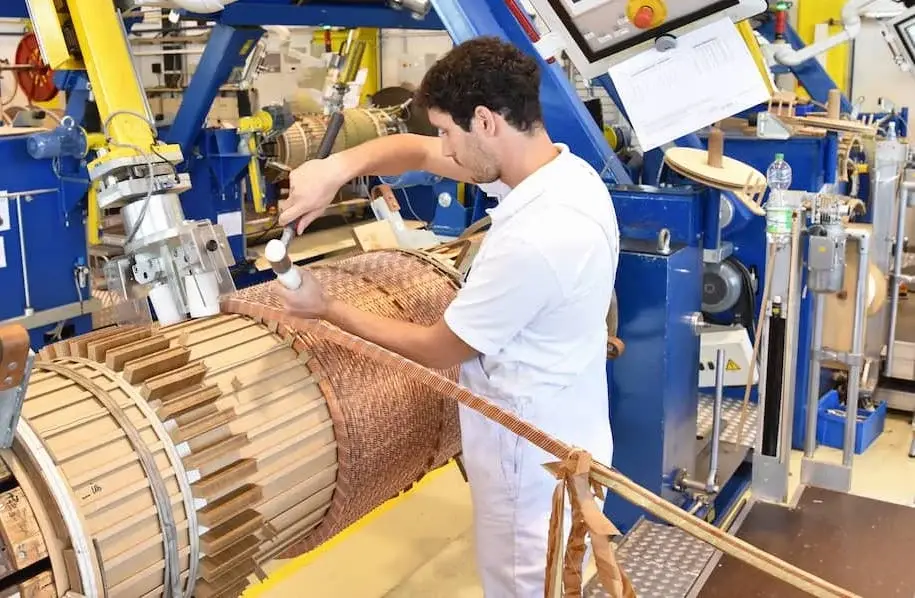
America’s transformer shortage is often described as an energy, infrastructure, or supply-chain problem. Each description is accurate, but none fully captures the central issue: the United States does not currently have enough qualified manufacturing capacity to produce critical grid equipment at the speed and scale the market requires. Rising electricity demand, aging infrastructure, industrial expansion, data-center development, and new generation projects are increasing the need for distribution and power transformers, while manufacturers contend with constrained factories, specialized materials, long equipment lead times, skilled-labor requirements, and highly customized product specifications.
The imbalance is visible in both demand and delivery performance. The U.S. Department of Energy reported in 2026 that demand for distribution transformers had increased 41 percent since 2019, while lead times had risen from three to six months in 2019 to one to two years or longer based on the most recent available data. Large transformers used in substations and generation projects can take three to four years to obtain. Those timelines can delay utility upgrades, factory construction, data-center connections, housing development, and other projects that depend on reliable access to power.
New public and private investments show that industry recognizes the urgency. In November 2026, GE Vernova announced a $34.5 million expansion of its transformer manufacturing operation in Shreveport, Louisiana, including new equipment, process enhancements, infrastructure, and 175 direct jobs. The company expects the expanded operation to reach full capacity in 2028, a timeline that illustrates an important reality: additional transformer manufacturing capacity cannot be switched on immediately. Capital must be approved, facilities modified, equipment installed, workers trained, suppliers aligned, processes qualified, and production stabilized before investment becomes dependable output.
Treating the transformer shortage as a manufacturing capacity problem changes the discussion. The country does not simply need more purchase orders or factory square footage. It needs an industrial strategy that converts demand into qualified throughput across the entire transformer supply chain.
1. Transformer Demand Is Growing Faster Than Qualified Production Capacity
Transformers are essential to nearly every expansion of the electrical system because they change voltage levels as power moves from generation through transmission and distribution to the point of use. A new factory, data center, substation, energy project, commercial development, or residential community may require multiple transformer types before it can receive power. At the same time, utilities must replace aging equipment and maintain reserves for storms, failures, and other emergencies. Demand is therefore coming from both grid expansion and the ongoing replacement of the installed base.
Manufacturing supply cannot respond at the same speed as customer demand. Transformer plants depend on specialized equipment, established production processes, trained employees, approved suppliers, engineering resources, testing capability, and sufficient space for material flow and work in process. A manufacturer may have a strong order backlog while lacking capacity at one critical operation, such as winding, core processing, drying, assembly, testing, or final shipment. Adding labor or scheduling more overtime will not resolve a bottleneck when output is limited by a specialized machine, test bay, material, engineering approval, or supplier.
The distinction between theoretical capacity and demonstrated capacity is critical. A production plan may appear feasible based on headcount, available floor space, or the rated speed of major equipment, yet still fail to account for product mix, setups, maintenance, scrap, rework, material shortages, engineering changes, and test failures. Reliable manufacturing capacity is the rate a plant can sustain while meeting safety, quality, cost, and delivery requirements. Companies preparing for major demand increases should complete a rigorous manufacturing capacity analysis before committing to customer schedules or capital projects.
This is why the transformer shortage cannot be solved by counting factories alone. Capacity must be evaluated at the constraint, across every production step and critical supplier. If orders rise faster than the constrained operation can produce, lead times will grow regardless of available capacity elsewhere in the facility.
2. Specialized Materials and Suppliers Limit Transformer Output
Transformer production depends on a specialized industrial base that extends well beyond the final assembly plant. Electrical steel, copper conductors, insulation, bushings, tap changers, tanks, cooling components, controls, and other items must meet demanding technical and quality requirements. The Department of Energy has identified limited domestic production of electrical steel for transformer cores and copper for windings as important contributors to the current bottleneck. DOE also reports that imports supply approximately 80 percent of U.S. power transformers and 50 percent of distribution transformers, exposing domestic projects to international capacity, logistics, trade, and geopolitical risks.
Material availability affects more than the date when production can begin. A late or nonconforming component can interrupt an assembly sequence, consume scarce engineering resources, create excess work in process, and displace other customer orders. Manufacturers may respond by building inventory, qualifying alternative sources, redesigning components, or moving work to another supplier, but each response requires time, cash, technical review, and often customer approval. The result is a supply problem that becomes a factory-flow problem.
Increasing domestic transformer production therefore requires supplier capacity to grow with final assembly capacity. A plant expansion will not achieve its intended output if critical subcomponents remain constrained or if suppliers lack the tooling, labor, quality systems, and working capital required for higher volumes. Manufacturers should identify sole-source and long-lead items, map lower-tier dependencies, validate supplier capacity using actual production data, and establish recovery plans before a ramp begins. Patriot’s work in supply-chain resilience is centered on making these operational dependencies visible before they interrupt production.
Supplier development should be tied to the same schedule and volume assumptions used for the factory ramp. Purchase orders alone do not create capacity. Suppliers may need capital equipment, production tooling, additional shifts, process qualifications, inspection capability, or help resolving chronic quality and delivery problems before they can support higher demand.
3. Product Customization Reduces Manufacturing Speed and Flexibility
Transformer manufacturing is complicated by the number of product configurations requested across the market. DOE has identified more than 80,000 distribution-transformer varieties nationwide, reflecting different utility specifications, legacy standards, accessories, voltages, and operating requirements. Some variation is technically necessary, but excessive customization increases engineering effort, material complexity, setups, inventory, training demands, and production scheduling difficulty. It also makes it harder for manufacturers to shift work between plants or build standard reserve units before an emergency occurs.
Variation consumes capacity even when total unit demand remains unchanged. A factory producing many low-volume configurations must manage more bills of material, drawings, supplier combinations, work instructions, inspection plans, changeovers, and approval cycles than a facility producing a smaller number of common designs. That complexity can lengthen queues and reduce output at engineering, procurement, production, and testing. The effect is especially damaging during a rapid production increase, when employees are learning new work and systems are already under pressure.
Greater standardization could improve transformer availability without requiring every customer to use an identical product. Utilities, manufacturers, regulators, and industry groups can identify common configurations, rationalize legacy requirements, standardize accessories, and define acceptable alternatives for selected applications. A more modular product architecture could also preserve necessary technical differences while increasing commonality in materials and production processes. These actions would support larger production runs, reduce changeovers, simplify supplier planning, and create more flexibility during disruptions.
Standardization must be managed as an engineering and operational program, not only as a purchasing initiative. Changes require technical validation, stakeholder agreement, configuration control, and clear implementation dates. When executed well, however, design commonality can release capacity that is currently absorbed by avoidable complexity.
4. Workforce, Quality, and Testing Determine How Fast New Capacity Becomes Productive
Transformer manufacturing requires experienced employees across engineering, fabrication, winding, assembly, insulation, testing, quality, maintenance, and production leadership. These capabilities take time to develop, particularly when work involves specialized processes and products with long service lives. Hiring a large number of employees may expand nominal staffing, but it can initially reduce productivity if experienced personnel must divide their time between production, training, troubleshooting, and inspection. A successful ramp must account for the learning curve rather than assuming new hires will immediately perform at established rates.
Quality requirements also limit how quickly output can increase. A transformer that fails final testing cannot simply be shipped to protect the schedule; it must be diagnosed, corrected, retested, and documented. Rework consumes labor and test capacity that could have supported the next unit, while recurring defects can create queues throughout the plant. As production rises, manufacturers need quality planning, process discipline, defect containment, root-cause correction, and sufficient inspection and test resources to prevent higher volume from producing a larger backlog of incomplete units.
Testing can become a hidden capacity constraint because it occurs near the end of the manufacturing process, after significant labor and material have already been invested. If test bays, equipment, technicians, or engineering support cannot keep pace with assembly, completed units accumulate and customer deliveries slip. The same principle applies to supplier qualification and customer approvals: additional equipment is not productive capacity until the process and product have been validated. Manufacturers should measure capacity through shipment, not merely through the completion of upstream operations.
Leadership and daily management are equally important. A ramp requires stable priorities, visible production status, rapid issue escalation, disciplined change control, and clear ownership for missed milestones. Tracking a focused set of manufacturing KPIs helps leaders distinguish a temporary disruption from a structural capacity gap and direct resources to the operation governing total output.
5. Capital Investment Must Be Converted Into Qualified Throughput
The United States will need continued investment in transformer plants, material production, subcomponent suppliers, refurbishment capacity, and workforce development. DOE has announced a grid supply-chain program authorized for up to $375 million, while manufacturers are making their own investments in new equipment and expanded facilities. Funding is necessary, but the performance of each investment will depend on execution. A project that adds isolated equipment without addressing suppliers, labor, utilities, testing, material flow, and qualification may move the bottleneck rather than increase shipments.
A credible transformer manufacturing capacity plan should align the full production system around measurable output:
Demand and product mix: Unit volumes, configurations, timing, and customer priorities by production period.
Constraint capacity: Demonstrated output at the operation that governs shipments.
Equipment and tooling: Required machines, installation dates, maintenance support, spares, and backup capability.
Supplier readiness: Material availability, sub-tier dependencies, tooling, quality performance, and recovery plans.
Workforce readiness: Hiring, training, certifications, shift structure, supervision, and cross-training.
Quality and testing: Process qualification, inspection resources, test capacity, defect containment, and approval timing.
Facility infrastructure: Power, cranes, ventilation, storage, material handling, floor space, and shipping access.
Ramp governance: Milestones, owners, risks, performance measures, and escalation decisions.
This integrated approach is the foundation of an effective manufacturing capital investment plan. Leadership should establish the required capacity, identify the system constraint, compare alternatives, sequence investments, and validate the expected effect on output before approving funds. The plan should also include commissioning and ramp assumptions because the date equipment arrives is not the date dependable production begins.
Manufacturers should then manage the expansion as an operational transformation. Weekly reviews should connect construction, equipment installation, supplier readiness, workforce training, quality approval, and production performance to a single integrated schedule. Risks should have named owners and defined recovery actions, while changes in demand or project timing should be reflected in the capacity model. This discipline helps prevent a common outcome in which individual workstreams report progress but the factory remains unable to meet the customer delivery plan.
Building the Manufacturing Capacity America’s Grid Requires
America’s transformer shortage will not be solved by demand forecasts or investment announcements alone. It will be solved when manufacturers and suppliers convert capital, materials, equipment, labor, and engineering into stable, qualified output. That requires a system-level view of capacity, focused action at production constraints, stronger domestic suppliers, greater product commonality, and realistic plans for hiring, qualification, and ramp execution.
Patriot Industrial Partners works shoulder to shoulder with manufacturers, investors, and industrial leaders to evaluate capacity, prepare factories and suppliers for production ramps, develop capital plans, and recover challenged programs. If your organization is expanding transformer production, assessing grid-equipment suppliers, or preparing a major manufacturing investment, contact Patriot Industrial Partners to discuss how we can support the effort.


Comments